
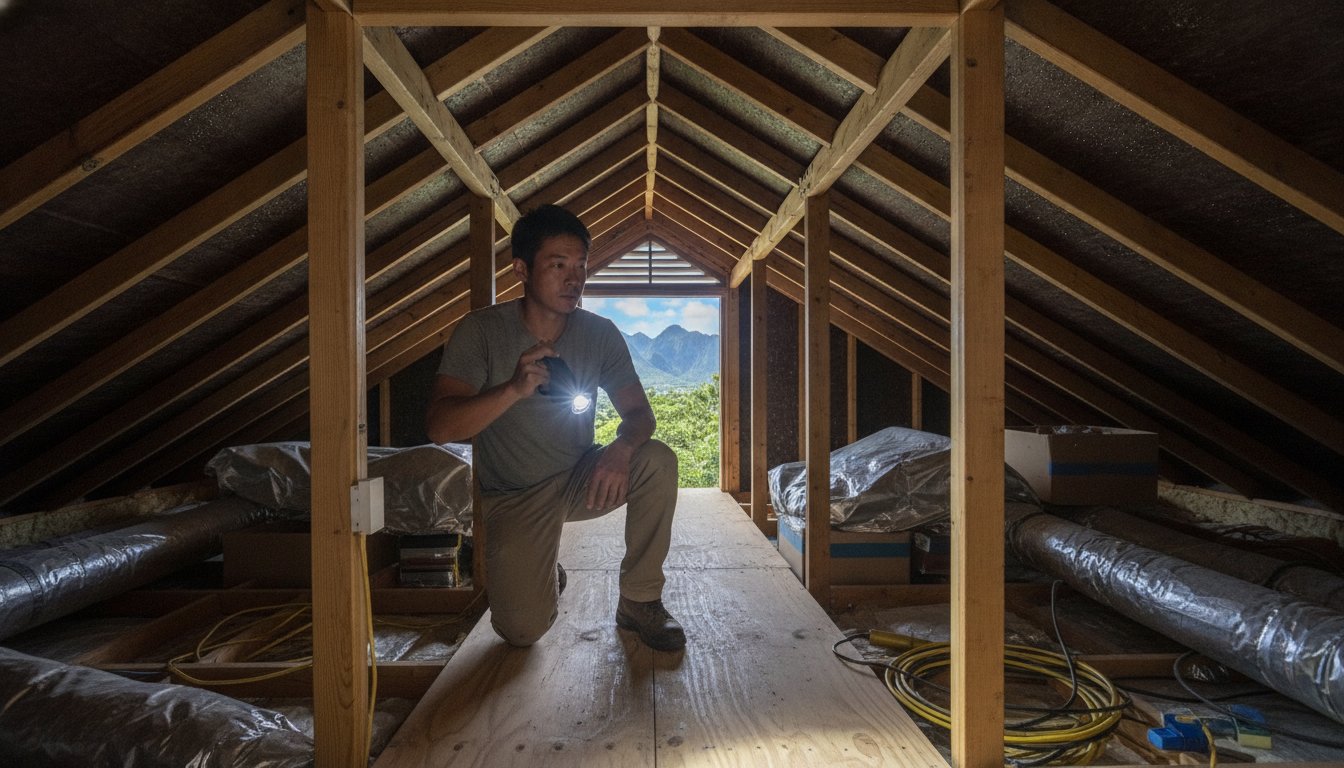
Imagine waking up to a damp patch on your ceiling after a heavy Oahu downpour, only to realize the actual entry point could be several feet away from the visible stain. In Hawaii's humid climate, moisture doesn't just sit; it can invite mold growth within a mere 24 to 48 hours, making it critical to understand how to find roof leaks before the damage spreads to your home's internal structure. You likely feel the pressure of protecting your investment while worrying about the physical risks of inspecting a high roof or accidentally causing further harm to your shingles.
We understand that your home is your sanctuary. Maintaining its integrity against salt air and tropical storms requires a methodical approach grounded in professional experience. This guide provides the reliable techniques you need to accurately locate hidden water entry points and protect your interior from worsening damage. We'll walk you through a thorough inspection process, help you identify if your situation falls under Oahu's 25 percent repair rule, and clarify when a project is a safe DIY fix or requires the specialized skill of a licensed professional.
Key Takeaways
- Understand the phenomenon of leak migration and why the visible water damage inside your home is rarely located directly beneath the entry point.
- Learn how to perform a safe interior inspection using a high-powered flashlight to spot water tracks or "shiners" along your attic rafters.
- Master the "bottom-up" garden hose test to determine how to find roof leaks that only appear during intense tropical rainstorms.
- Discover how to use binoculars for a safe ground-level assessment of shingle cupping and flashing failures caused by Hawaii’s unique salt-air environment.
- Determine when to transition from a DIY search to a professional roofing inspection by applying the "Rule of Three" for stubborn leaks.
The Challenge of Finding Roof Leaks in Hawaii Homes
Identifying the source of water intrusion on a tropical island presents unique difficulties that differ significantly from mainland experiences. The most frustrating aspect for many homeowners is a phenomenon known as leak migration. Gravity and the pitch of your roof often pull water away from the initial entry point, causing it to travel along rafters or plywood before finally dripping onto your ceiling. This means the brown stain in your living room rarely sits directly beneath the actual hole. Learning how to find roof leaks requires a methodical approach that tracks these hidden water paths back to their origin before the damage becomes structural.
Hawaii’s environmental factors accelerate the aging process of even the highest quality materials. Our intense UV radiation dries out asphalt shingles, making them brittle and prone to cracking, while the constant presence of salt air corrodes metal components. This is especially true for valleys and transition points. Understanding Roof Flashing is vital for local homeowners, as these thin metal strips around chimneys and vents are often the first to fail under the constant pressure of coastal moisture and salt spray.
Why Oahu Roofs Leak Differently
Tropical downpours don't just fall vertically; they are often driven sideways by strong trade winds. This wind-driven rain can force water upward under shingles or through small gaps in the eaves that would remain dry in a standard storm. Additionally, the consistently high humidity on Oahu prevents small amounts of moisture from evaporating quickly. Instead, the water lingers, slowly compromising the adhesive bonds of your roofing system and creating a persistent dampness that masks the exact moment a leak begins. Metal valley flashings are particularly susceptible to salt-air corrosion, which can create pinhole leaks that are nearly invisible to the untrained eye.
The Hidden Danger: Mold and Rot
In our warm climate, a hidden leak is far more than a minor nuisance. It is a catalyst for rapid biological growth. Mold can begin to colonize damp drywall and wood within 24 to 48 hours of water exposure. While homeowners in drier states might have weeks to address a minor drip, Oahu residents must act immediately to prevent structural wood rot from taking hold in the warm, dark spaces of an attic. Mastering how to find roof leaks early is the only reliable way to avoid the high cost of replacing compromised structural beams.
Secondary damage occurs when unaddressed water intrusion compromises the load-bearing capacity of your home's framing and degrades the air quality within your living spaces. The ultimate goal is to pinpoint the failure point and secure a professional repair before the next heavy tropical rain arrives, ensuring your home remains a safe and secure sanctuary for your family.
Interior Inspection: Tracking the Path of Water Damage
The search begins at the lowest point of visibility. Mapping the dimensions of a ceiling stain provides a baseline for your attic investigation, allowing you to narrow down the search area before you even climb the ladder. When you're learning how to find roof leaks, it's helpful to remember that water follows the path of least resistance. A drip in your bedroom might have originated ten feet away at a chimney or vent pipe. Use a piece of painter's tape to mark the center of the damp spot on your ceiling so you can easily locate the corresponding area from above.
Once you're in the attic, safety is the primary concern. Never step off the rafters onto the insulation or drywall, as you'll likely fall through the ceiling. Bring a high-powered flashlight to scan the underside of the roof deck. You're looking for the "exit point," which is where water leaves the wood and begins its descent into your living space. By following the damp trail or water stains upward, you can eventually find the "entry point" where the roof system has failed. Because moisture promotes rapid fungal growth in Oahu's warmth, consulting an EPA guide to mold and moisture can help you understand the urgency of drying out these spaces immediately.
Spotting the 'Shiner' in Your Attic
A common but overlooked culprit is the "shiner." This is a nail that missed the rafter during installation and now hangs exposed in the attic space. During a heavy rain or a humid night, moisture condenses on these cold metal nails. If you see a nail that looks frosted or has a single drop of water hanging from it, you've likely found your source. During dry spells, look for dark, circular rings on the plywood sheathing around these nails. These marks are clear indicators of past intrusion. If the trail is cold, professional Roofing Inspections can often reveal these subtle defects using specialized equipment.
Measuring Moisture Levels
Sometimes the wood looks dry, but the moisture is still there. Handheld moisture meters are invaluable tools for homeowners because they can detect dampness long before a stain appears on the drywall. These devices help you differentiate between a true roof failure and "ghost leaks." A ghost leak often occurs when HVAC ductwork isn't properly insulated, causing condensation to drip and mimic a roof leak. If your meter shows high levels near a vent but the surrounding roof deck is bone dry, the issue is likely your cooling system rather than your shingles. If you find yourself unsure of the readings, scheduling Roofing Inspections ensures that no hidden pockets of moisture are left to rot your home's framing. For a definitive answer on your home's safety, it's often best to consult a local expert who understands the nuances of island construction.
Exterior Signs: Identifying Damage on Your Oahu Roof
Once you have gathered clues from your interior inspection, the next step in learning how to find roof leaks is a careful visual assessment of the exterior. You don't need to scale a ladder to perform an effective check. In fact, a pair of high-powered binoculars allows you to safely scan your roof from the yard, providing a clear view of shingle condition and flashing integrity without the physical risk of a fall. Look specifically for "cupping" or "curling" shingles. In the intense Oahu sun, the edges of asphalt shingles can turn upward or become brittle, creating gaps where wind-driven rain easily enters.
Pay close attention to the "critical connections" where different roof planes meet or where pipes penetrate the surface. These areas are among the most common causes of roof leaks because they rely on sealants and metal barriers that degrade over time. If you notice piles of dark, sand-like granules in your gutters, it's a sign that your shingles have lost their protective coating. Without these granules, the underlying asphalt is exposed to UV rays, which leads to rapid failure and eventual water intrusion.
Common Culprits on Hawaii Roofs
Salt air corrosion is a relentless force for homeowners in coastal areas like Kailua and Ewa Beach. Metal flashings that would last decades inland can rust through in just a few years here, creating pinhole entries for water. Similarly, clogged gutters can cause "back-up" leaks. When tropical debris prevents water from shedding, it pools at the eave and can seep under the bottom row of shingles. You should also examine the rubber "boots" around plumbing vents. The sun's heat often causes these seals to crack after 10 to 15 years, allowing water to run directly down the pipe into your walls.
The Danger of DIY Roof Climbing
We strongly advise homeowners to stay on the ground for initial exterior checks to avoid the significant risk of injury on steep or damp surfaces. Hawaii’s high humidity combined with steep roof pitches makes for an exceptionally slippery surface, even on days that seem dry. Professional roofers utilize specific safety gear, including specialized roof boots and fall-arrest harnesses, that the average homeowner doesn't possess. If your ground-level search doesn't yield answers, it's time to contact professional roofers who have the training to navigate these heights safely. A professional inspection is the most reliable way to confirm your suspicions without risking personal injury.

The Garden Hose Test: A Practical Way to Locate Stubborn Leaks
When visual inspections don't reveal a clear failure, simulating a tropical rainstorm with a garden hose is the most effective way to identify the source. This process requires a disciplined two-person rule to be successful. One person stays in the yard with the hose while the other remains in the attic with a flashlight to observe exactly when and where the water enters. Clear communication is essential; use your mobile phones to stay in constant contact so the sprayer knows the exact moment a drip appears. This methodical approach ensures that you don't miss the subtle signs of moisture intrusion.
The most common mistake homeowners make is starting the test at the peak of the roof. If you begin at the top, the water will run down over every potential entry point below it, making it impossible to know which specific shingle or flashing has failed. To truly understand how to find roof leaks using this method, you must adopt a bottom-up strategy. Start at the eaves and work your way toward the ridge in small, controlled sections. This isolation technique allows you to verify the integrity of each part of the roofing system individually.
Setting Up the Hose Test Correct
Focus your attention on one small area at a time, spending at least five to ten minutes soaking a specific section before moving higher. Isolate penetrations first, such as plumbing vents, skylights, and chimneys, as these are the most likely failure points in Oahu's salt-air environment. If the test doesn't produce an immediate drip, don't be discouraged. It often takes time for the water to saturate the underlayment and follow the same path it takes during a natural storm. If you still can't produce a result after an hour of testing, the leak may only occur during wind-driven rain that hits the house from a specific angle.
Analyzing the Results
Once the observer signals that water is entering the home, mark the exterior location immediately. Use a piece of chalk or a small piece of tape to identify the exact spot on the shingles or flashing. This allows you to differentiate between a minor shingle replacement and a more complex structural failure. If the test reveals multiple entry points or if the water is entering through a rusted valley, the integrity of the entire system may be compromised. For residents who discover a significant failure during this test, securing professional Roof Leak Repairs is the safest way to prevent interior rot. If your search remains unsuccessful despite your best efforts, contact our team for a professional inspection to ensure your home stays protected.
When to Call a Professional Roofer on Oahu
While the steps outlined in this guide empower you to understand how to find roof leaks, some water intrusion points remain elusive even to the most diligent homeowner. We recommend following the "Rule of Three." If you haven't identified the specific source after thirty minutes of searching, it's time to consult an expert. Prolonged exposure to moisture in our humid climate leads to rapid structural decay. The time spent struggling with a hidden leak is often better used securing a professional solution that protects your home's integrity.
DIY patches, such as hardware-store sealants or temporary tarps, frequently fail during Hawaii's winter storm season. High winds and heavy salt-air saturation can easily strip away amateur repairs, leaving your interior vulnerable during the next Kona storm. A professional assessment provides a permanent resolution and offers the necessary documentation for insurance claims. Having a formal report ensures that your home protection remains valid and that all damage is thoroughly documented for your records.
What a Professional Inspection Includes
A comprehensive assessment goes beyond a simple visual check. Our team performs a rigorous attic-to-shingle evaluation using professional-grade tools to map moisture paths that aren't visible to the naked eye. This process identifies current failures and spots "future" leaks before they have a chance to damage your ceiling or flooring. We look for the subtle signs of wear that precede a major breach. Following the inspection, we provide a detailed estimate for Roof Repair vs Replacement, helping you make an informed decision based on the specific condition of your roofing system and the 25 percent repair rule.
Protecting Your Investment
Investing in professional repairs can extend the functional life of your Oahu roof by five to ten years. This longevity is achieved through high-quality craftsmanship and materials specifically designed to resist our unique environmental challenges, such as salt-air corrosion and intense UV rays. There's a profound peace of mind that comes with hiring a licensed, local Hawaii contractor (C-42-31088) who understands the nuances of island construction. We have served the community for over twenty years, prioritizing your safety and long-term security over temporary fixes. If you're still struggling with how to find roof leaks on your own, Contact Pacific Isle Roofing for a Professional Inspection Today to ensure your home remains a stable and dry sanctuary for your family.
Secure Your Home Against Tropical Moisture
Protecting your Oahu home requires more than just a quick glance at the ceiling. By mastering the methodical steps of interior mapping and the strategic bottom-up garden hose test, you've gained the essential knowledge of how to find roof leaks before they compromise your property's structural integrity. Hawaii’s unique environment, from intense UV rays to corrosive salt air, demands a specialized approach to maintenance that goes beyond standard mainland techniques.
While a proactive homeowner is the first line of defense, some hidden entry points require the advanced diagnostic tools of a seasoned expert. We bring over 20 years of local experience and specialized knowledge in salt-air resistant solutions to every residence we serve. As a fully licensed Hawaii contractor (C-42-31088), we prioritize the safety and longevity of your roof above all else. Don't let a minor drip turn into a major structural failure. Schedule Your Professional Roof Inspection with Pacific Isle Roofing today to ensure your sanctuary remains dry and secure through every season. You've taken the right first step by educating yourself; now let us provide the professional peace of mind you deserve.
Frequently Asked Questions
Can I find a roof leak when it's not raining?
Yes, you can identify a leak during dry weather by examining your attic for dark rings on the plywood sheathing or "shiners," which are nails that missed the rafter and show distinct water tracks. These visual indicators remain long after the rain stops, providing a clear map of past intrusion. Using a handheld moisture meter can also help you identify dampness within the wood or insulation that hasn't yet caused a visible ceiling stain.
Why is my roof leaking only during heavy tropical downpours?
Leaks that only appear during intense storms are often caused by wind-driven rain being forced into gaps that are normally protected during lighter showers. High trade winds can push water horizontally under shingles or up into eave vents and flashing transitions. This is a common challenge on Oahu, where tropical weather patterns differ significantly from the steady, vertical rainfall seen in other regions.
How much does a professional roof leak detection cost on Oahu?
The cost for professional leak detection depends on several factors, including the height of your home, the pitch of the roof, and the difficulty of accessing the attic space. While every property is unique, most local contractors provide detailed estimates after an initial consultation. It's best to contact a licensed professional to discuss your specific needs and receive an accurate quote for your residential property.
Is a roof leak covered by my Hawaii homeowners insurance?
Homeowners insurance in Hawaii generally covers roof leaks if the damage results from a sudden, accidental event like a fallen tree or a major storm. However, insurance providers typically deny claims for leaks caused by gradual wear, lack of maintenance, or old age. We recommend reviewing your policy details or speaking with your agent to understand your specific coverage limits and any requirements for documented maintenance.
What are the most common causes of roof leaks in Honolulu?
The most frequent sources of water intrusion in Honolulu include corroded metal flashings and UV-damaged shingles. Salt air accelerates the rust on valley flashings and vent pipes, while the intense tropical sun causes asphalt shingles to curl and lose their protective granules. These environmental factors make learning how to find roof leaks a priority for maintaining your home's long-term security and value.
Can a roof leak cause mold in my attic even if I don't see water?
Yes, a hidden leak can promote rapid mold growth even if you never see a single drop of water inside your living space. Hawaii's warm, humid climate allows mold spores to colonize damp wood and insulation in as little as 24 to 48 hours. This biological growth often occurs behind walls or in dark attic corners, compromising your air quality and structural integrity without warning.
Should I repair or replace my leaking roof?
The decision between repair and replacement often comes down to the extent of the damage and local building codes. On Oahu, if more than 25 percent of the roof surface requires work, a complete replacement is generally mandated to ensure the integrity of the entire system. Understanding how to find roof leaks early can help you address minor issues through targeted repairs before they reach this critical code threshold.


